Phnom Penh Tour Packages from Malaysia
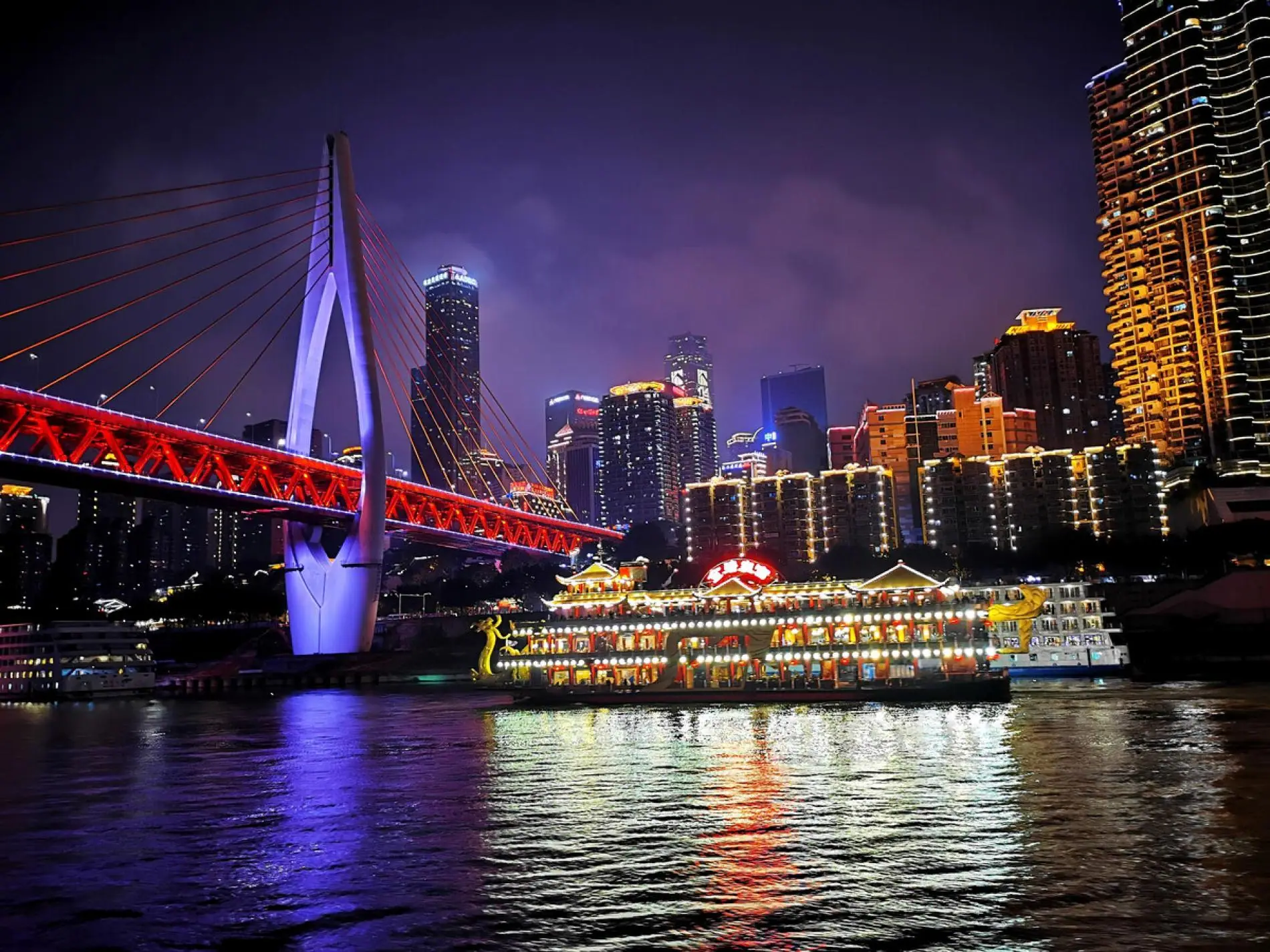
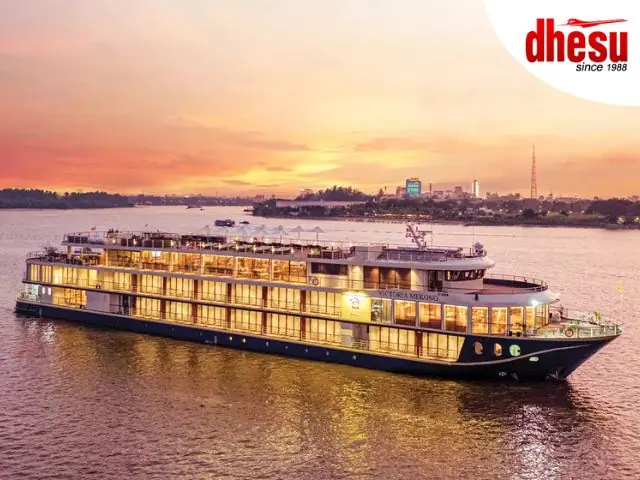
Phnom Penh sits at one of the great river confluences of Asia, where the Mekong and the Tonle Sap meet in a wide expanse of brown water that swells enormously in the monsoon season and drops back each dry season, driving the rhythms of Cambodian life. The city the French called the Pearl of Asia is layered, complex and more rewarding the longer you stay in it. The riverfront is where most visitors begin. A wide esplanade lined with parks, restaurants and bars runs south from the Royal Palace, with views across the water to the opposite bank and, on clear evenings, some of the finest sunset light in Southeast Asia. Behind the esplanade, the Royal Palace compound contains some of the kingdom's most important buildings. The Silver Pagoda — so called for its floor of 5,000 silver tiles weighing one tonne each — houses a 17th-century emerald Buddha and a life-size solid gold Buddha studded with 9,584 diamonds. The surrounding walls are painted with a 600-panel mural of the Reamker, Cambodia's version of the Ramayana. A short walk north, Wat Phnom sits atop the only hill in the city — a small artificial mound, but the highest point in Phnom Penh and the origin of the capital's name. The legend of Madame Penh, who found four Buddha statues washed up on a tree trunk in the river and built a sanctuary here in 1372, is the founding story of the city. Nearby, Wat Ounalom — established that same year — is the centre of Cambodian Buddhism and the seat of the country's Buddhist patriarch. Toul Sleng Genocide Museum is the site that defines modern Cambodian history. The former Tuol Svay Prey High School was converted by the Khmer Rouge into Security Prison S-21 between 1975 and 1979. Of the estimated 17,000 people held here, fewer than a dozen survived. The museum holds photographs, records and preserved cells exactly as they were found by Vietnamese forces in 1979. It is a difficult visit and an essential one. The Russian Market in the south of the city is the best market in Phnom Penh for silk, silverwork, handicrafts and local food. The Central Market — a 1930s French-colonial building with a cross-shaped dome — stocks everything from food to jewellery in a vast covered hall. The Independence Monument, built in 1958 to mark independence from France, is modelled on the towers of Angkor Wat. For most packages from Malaysia, Phnom Penh is reached from Siem Reap by tourist express bus (approximately six hours) or by domestic flight. The journey by road passes through the Cambodian countryside — rice fields, sugar palms, traditional wooden houses on stilts — with a stop at Skuon Market, where fried tarantulas are the famous local snack. Every Phnom Penh package from Dhesu includes a Mekong River sunset cruise, departing from the riverfront and passing Diamond Island, fishing villages and stilted river communities as the city lights come on. It is consistently the highlight guests mention last when they describe the trip. Dhesu has been arranging Cambodia packages for Malaysian travellers since 1988. Halal and vegetarian meals can be arranged at no extra cost. Masjid Al-Serkal is located in Phnom Penh and can be included in the itinerary on request. All packages are 100% private with daily departures.
2 packages available.
Plan Your Cambodia Trip
Angkor Wat is waiting. Tell us when you want to go.
Level 2 and 3, Wisma Dhesu, No. 5 Jalan Bangsar Utama 3, 59000 Kuala Lumpur.